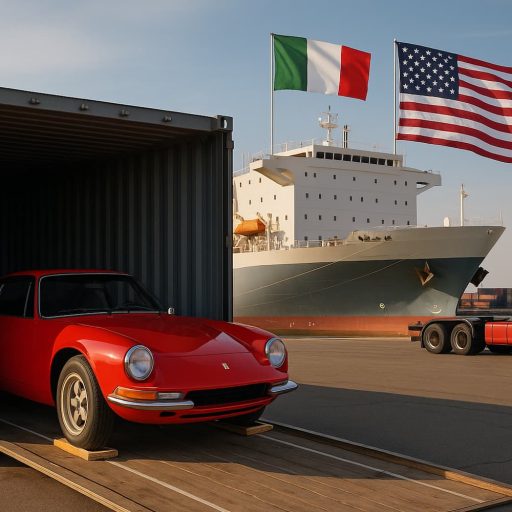
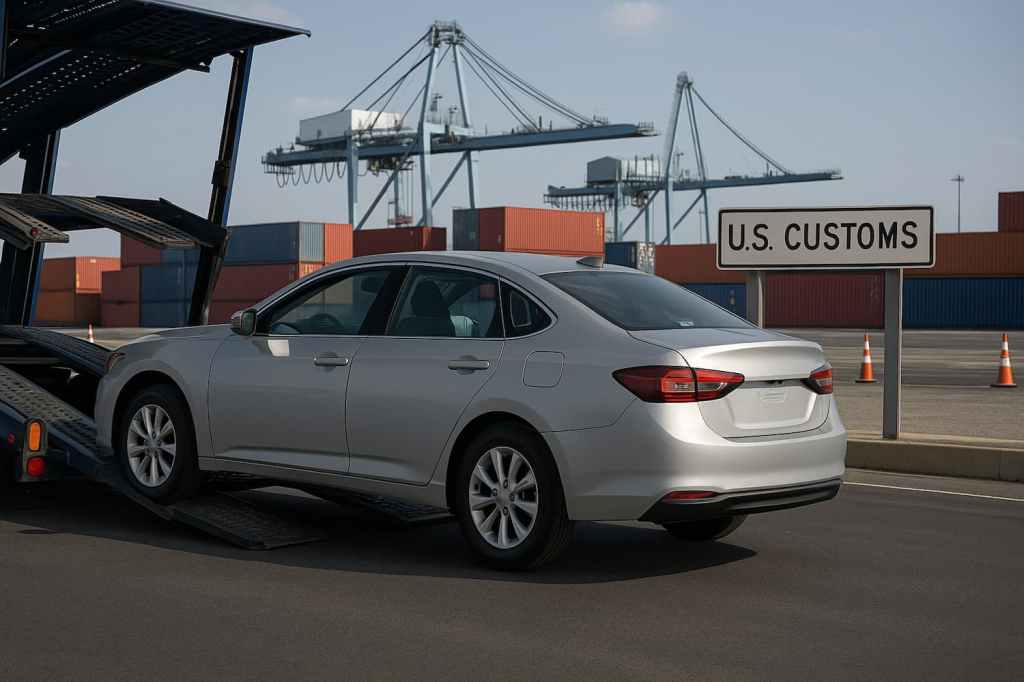
Importing a vehicle across international borders involves rules that differ by destination. When you plan to import a car into the US or Canada, you must comply with legal, safety, and environmental requirements that apply to your chosen country. This guide explains the process clearly, breaking it into manageable steps.
Understanding the Basics of Vehicle Importation
Before you import a car into either country, start by identifying the country of origin, the model year, and any existing modifications made to the vehicle. These three factors influence what procedures apply.
A vehicle made for sale in another country may not meet the safety or emissions standards of North America. That can mean added costs or restrictions.
Import a Car into the United States
Legal Requirements for the US
To import a car into the US, the vehicle must meet Federal Motor Vehicle Safety Standards (FMVSS). These standards are regulated by the National Highway Traffic Safety Administration (NHTSA).
If a car does not meet these standards, you must work with a Registered Importer (RI). An RI is authorized to make modifications that bring the vehicle into compliance. Not all cars are eligible for such work, so checking the NHTSA list of approved models is an important early step.
Emissions Compliance
The Environmental Protection Agency (EPA) enforces emissions rules. Vehicles must either be certified for use in the US or be modified through an Independent Commercial Importer (ICI).
You cannot simply ship a vehicle to the US without this paperwork. Proof of EPA and DOT compliance is required at the time of entry. Otherwise, the car may be denied entry or sent back at your expense.
Documentation
To import a car, you need the following:
- Bill of lading or shipping document
- Bill of sale
- Foreign registration or title
- EPA Form 3520-1
- DOT Form HS-7
- Customs Entry Summary (CBP Form 7501)
The documents must match the vehicle’s VIN exactly. U.S. Customs and Border Protection (CBP) will verify all documents and inspect the vehicle upon arrival.
Temporary Imports into the US
Temporary entry may apply for foreign tourists, diplomats, or military personnel. These exemptions allow non-compliant vehicles to be used for a limited time, usually no more than one year. The vehicle must then be exported or destroyed.
Import a Car into Canada
Vehicle Eligibility and RIV Program
When you import a car into Canada, start by checking the Registrar of Imported Vehicles (RIV) list. This list determines if a U.S. vehicle can be brought into the country and what steps apply.
Canadian import laws are strict, especially regarding vehicles under 15 years old. If your car is newer than that, it must comply with Canadian Motor Vehicle Safety Standards (CMVSS).
The RIV Program applies to most personal imports. It involves:
- Pre-clearance
- Fee payment
- Federal inspection within 45 days
If your vehicle passes the inspection, you receive a sticker proving legal import status.
Emissions Testing
Most provinces require emissions testing. In Ontario, for example, Drive Clean rules apply. In British Columbia, AirCare was phased out, but other regulations apply. Check local guidelines before the car enters the province.
Taxes and Fees
When you import a car into Canada, be ready to pay:
- GST or HST
- Import duties (if applicable)
- Air conditioning tax (if installed)
- RIV fee
The Canada Border Services Agency (CBSA) will collect these at the time of import. You may also have to pay provincial sales tax when you register the car locally.
Vehicles 15 Years or Older
Canada allows the import of cars 15 years old or more without federal safety compliance. These vehicles are exempt from the RIV process. This rule makes older vehicles easier and more affordable to bring in.
Classic and collector cars often fall under this category. You still must present accurate documents, pay taxes, and clear customs.
Step-by-Step: How to Import a Car
Step 1: Confirm Eligibility
Use the NHTSA list for US-bound vehicles. For Canada, check the RIV website or Transport Canada list.
Step 2: Prepare Your Paperwork
Start early. Get copies of:
- Title or ownership papers
- Sales receipt
- Export declarations (if leaving the US)
- Compliance documents (FMVSS, EPA, CMVSS)
Make sure the seller gives you originals or certified copies.
Step 3: Arrange Shipping
Use a licensed international carrier. Your car can travel by ocean freight, air freight, or land transport. Roll-on/roll-off service is the most common for international shipping.
Make sure the carrier provides a bill of lading and insurance.
Step 4: Submit Border Documents
For the US:
- File CBP Form 7501
- Present EPA and DOT forms
- Pay any duties
For Canada:
- Submit Form 1 (RIV)
- Pay GST or HST
- Show proof of compliance
Border officials will inspect the car and confirm the documents match.
Step 5: Modify if Required
If your car doesn’t meet safety rules, a Registered Importer (US) or certified technician (Canada) must complete all necessary work.
Do not drive or register the vehicle until this is finished and verified.
Step 6: Register the Vehicle
Visit the local DMV in the US or your provincial licensing office in Canada. Provide proof of import, pay the registration fee, and get plates. You may need a local inspection, especially in states or provinces with safety checks.
Things That Can Delay the Process
- Missing or incorrect documents
- VIN mismatch
- Shipping delays
- Customs backlog
- Required modifications
Each delay adds cost. It’s better to double-check every step before the car leaves its origin country.
Cost Breakdown for US & Canada
In the US
- Duty: 2.5% (passenger cars)
- EPA/ICI compliance fees
- State sales tax and registration
In Canada
- Duty: Up to 6.1% (if not made in North America)
- GST/HST
- RIV fee ($325 CAD approx.)
- Air conditioning tax ($100 CAD)
- Provincial taxes upon registration
Import a Car for Personal Use or Resale
There is a difference between importing for personal use and for commercial sale. If you plan to resell vehicles, you must register as an importer. In the US, that means meeting NHTSA licensing requirements. In Canada, it requires a Transport Canada registration number.
Unlicensed resale of imported vehicles can lead to seizure or fines.
Restrictions and Prohibited Vehicles
Some vehicles are banned from entering either country. Reasons include:
- Recall history
- Safety defects
- Non-compliance with emissions laws
- Left-hand drive bans (in rare provinces)
- Salvage titles without certification
Before buying a vehicle overseas, check VINs against official databases and confirm it is not on a restricted list.
Can You Import a Car from Europe or Asia?
Yes, but the process can be more complex. Vehicles made for EU or Japanese markets rarely meet US or Canadian standards without modification.
Expect higher shipping costs and longer customs reviews. Only select models are eligible. You must prove compliance with all federal rules before the car is released.
Vehicles from Mexico
Cars imported from Mexico follow NAFTA/USMCA rules. If built in North America, they are typically duty-free. However, they must still pass DOT or CMVSS safety checks and emissions compliance.
Buying from Mexican auctions or dealerships can be risky. Always work with an exporter who understands US or Canadian import procedures.
Why Use a Broker?
A customs broker can streamline the paperwork and deal with border agents. While optional, brokers reduce the risk of errors and often speed up the process.
They charge a fee, but for those new to import procedures, the value can outweigh the cost.
Summary
To import a car into the US or Canada, follow a structured approach. Confirm the vehicle’s eligibility, prepare documentation, arrange safe shipping, and comply with federal and local regulations.
Use certified importers when required and make sure customs forms are accurate. Whether you’re bringing in a vintage model or a daily driver, planning ahead can save time and money.
 Global Import
Leave a comment